THE SHOW
Art & Music
Slides will advance every 20 seconds. You can also click the right arrow on your keyboard or use the navigation arrows below to progress through the slides.
Data Visualization: Fall 2015
PREDICT 455.55
Created by the Art and Music team
- Rachel Bi
- Tom Buehrer
- Rosanna Iancau
- Nathan Porteshawver
- Erica Warren
U.S. Engagement in the Arts
A journey through a life in the arts.
Arts Participation in U.S. Elementary Schools
Arts Instruction in U.S. Elementary Schools, 2009-2010
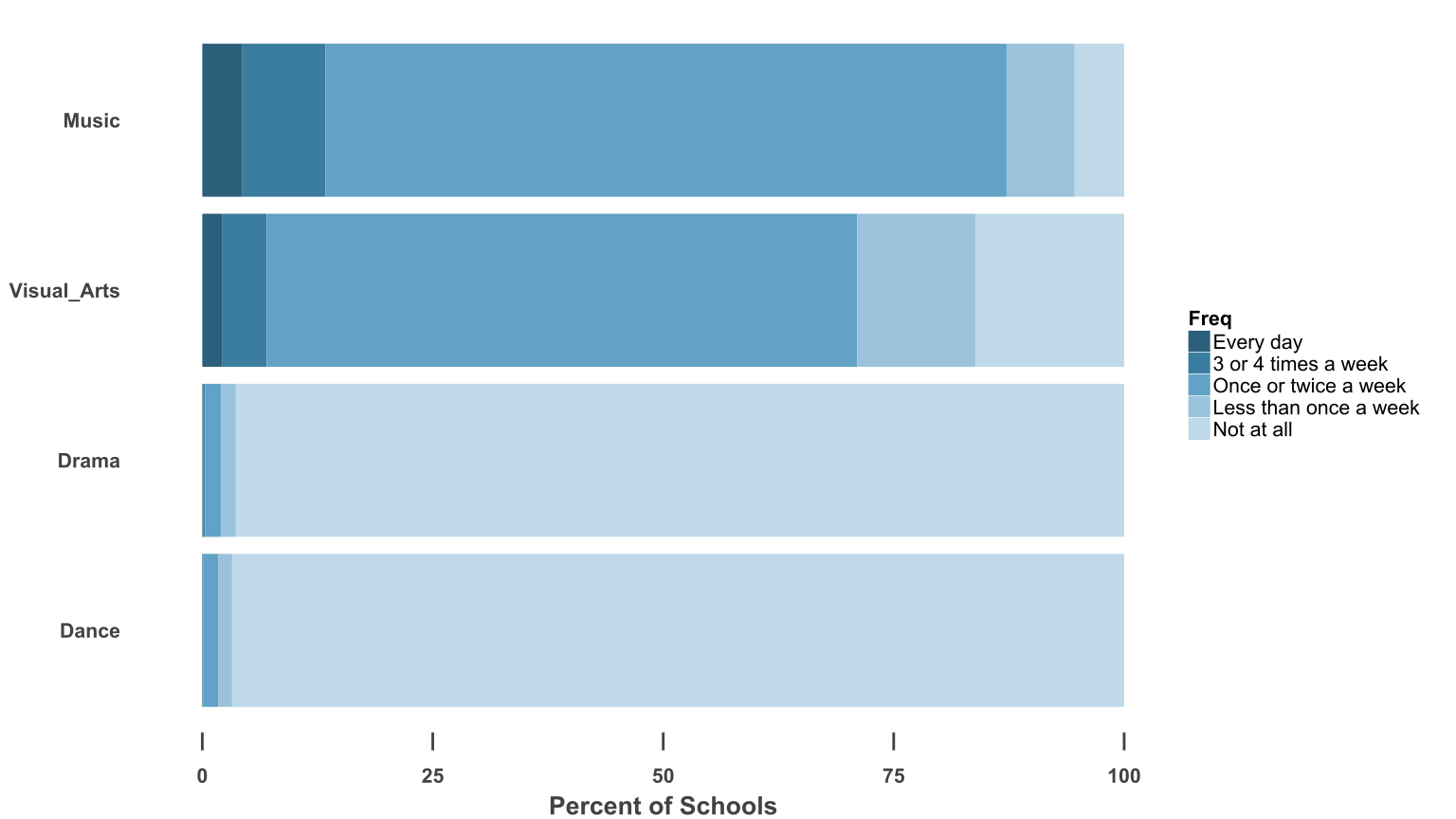
Most students are taught Music and, to a lesser extent, Visual Arts, once or twice a week, but instruction in Dance and Drama is rare.
Source: Elementary School Arts Education Survey, Fall 2009
Frequency of Visual Arts Instruction by Poverty Level in U.S. Elementary Schools, 2009-2010
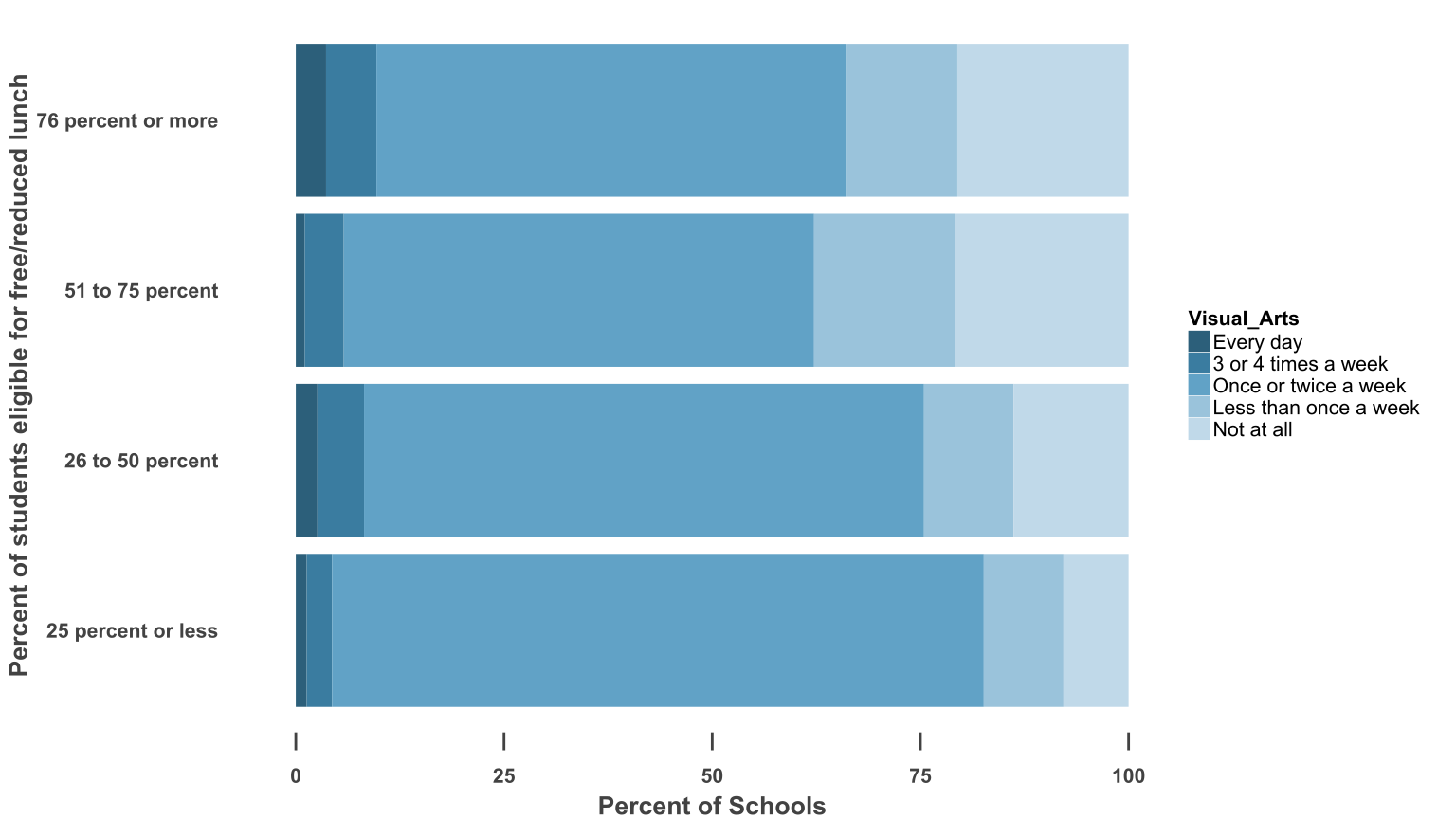
As the percentage of students eligible for free or reduced lunch goes down, the amount of Visual Arts instruction goes up, though the trend is slight.
Source: Elementary School Arts Education Survey, Fall 2009
Frequency of Music Instruction by Poverty Level in U.S. Elementary Schools, 2009-2010
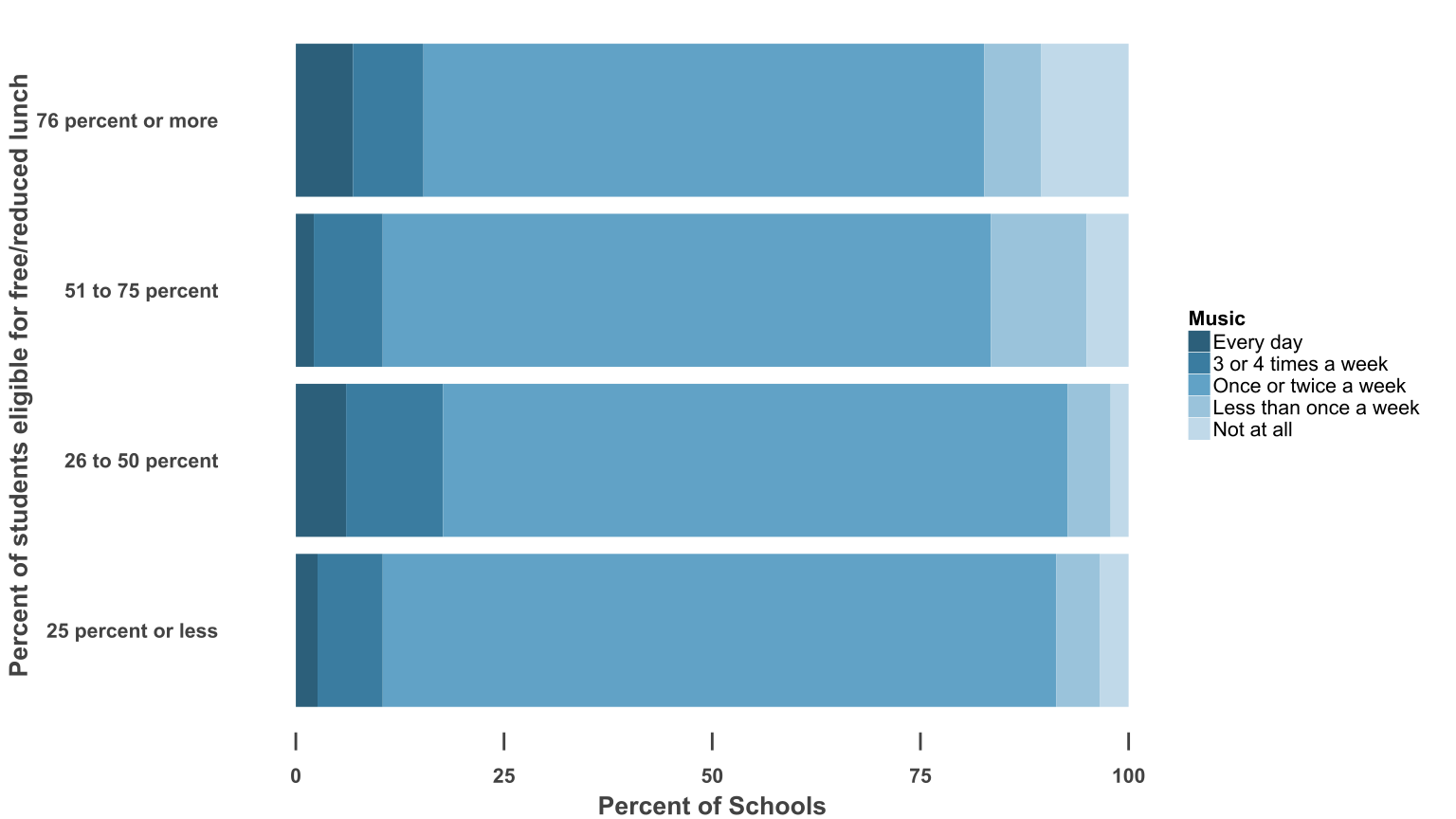
There is less of a trend with Music than there is with Visual Arts.
Source: Elementary School Arts Education Survey, Fall 2009
Adequacy of Visual Arts Supplies in U.S. Elementary Schools, 2009-2010
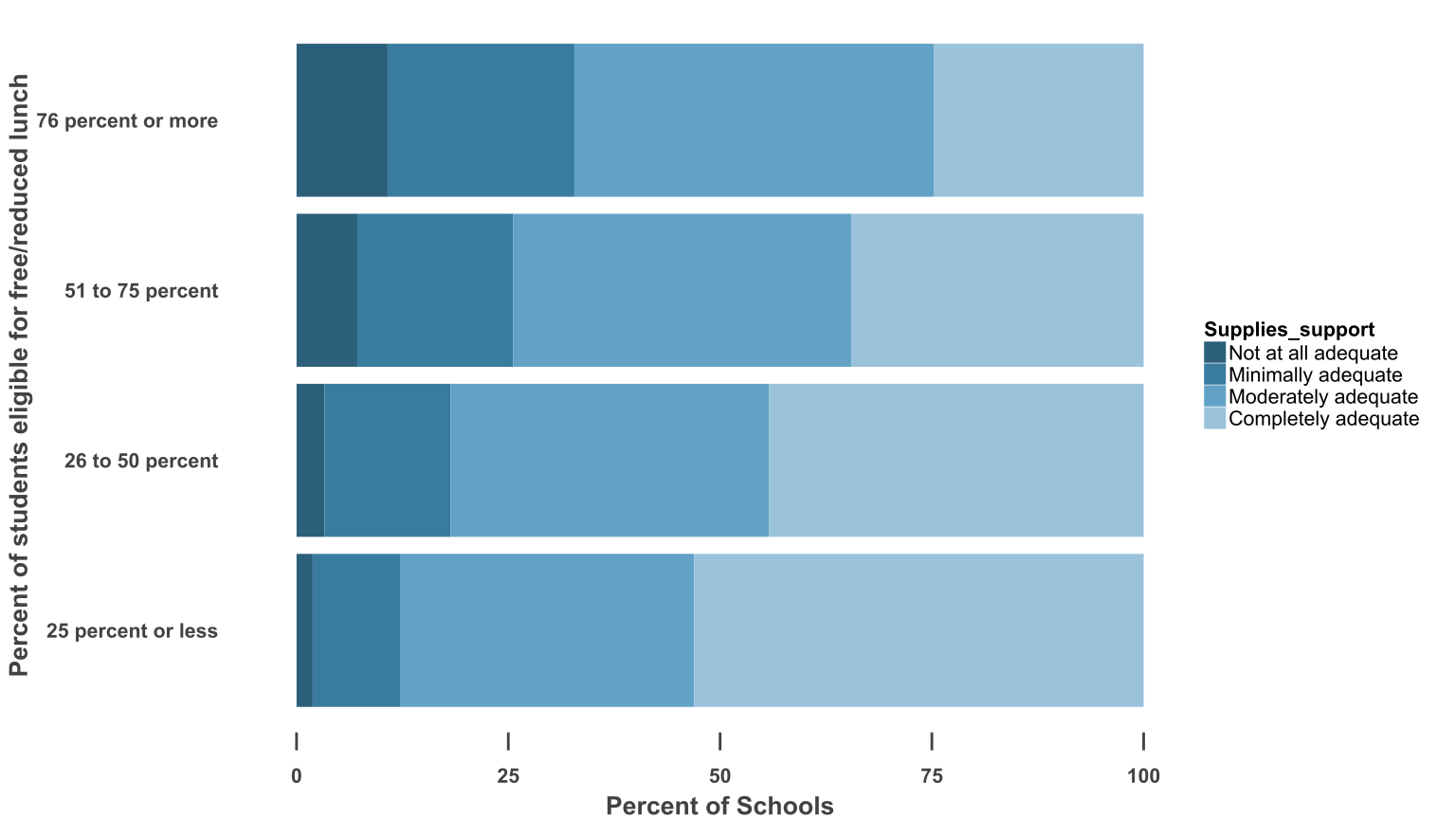
As poverty increases, support offered for Visual Arts supplies decreases.
Source: Arts Education Surveys of Elementary School Teachers, 2009-2010: Survey of Elementary School Visual Arts Specialists
Adequacy of Music Supplies in U.S. Elementary Schools, 2009-2010
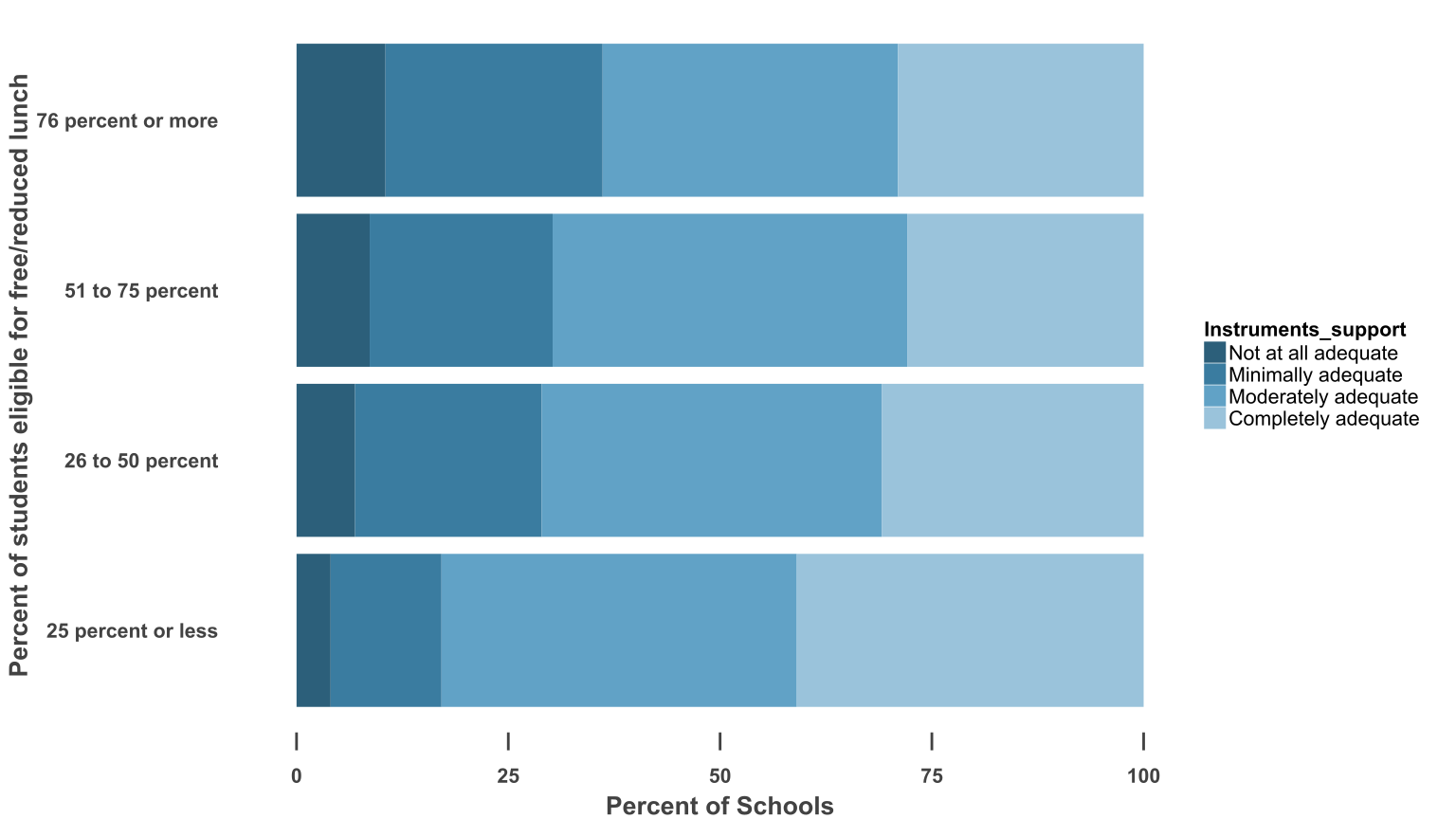
As poverty increases, support offered for Music instruments used by students decreases.
Source: Arts Education Surveys of Elementary School Teachers, 2009-2010: Survey of Elementary School Music Specialists
Musical Performance Attendance
Musical Play Attendance by Age Group from 1982 to 2012
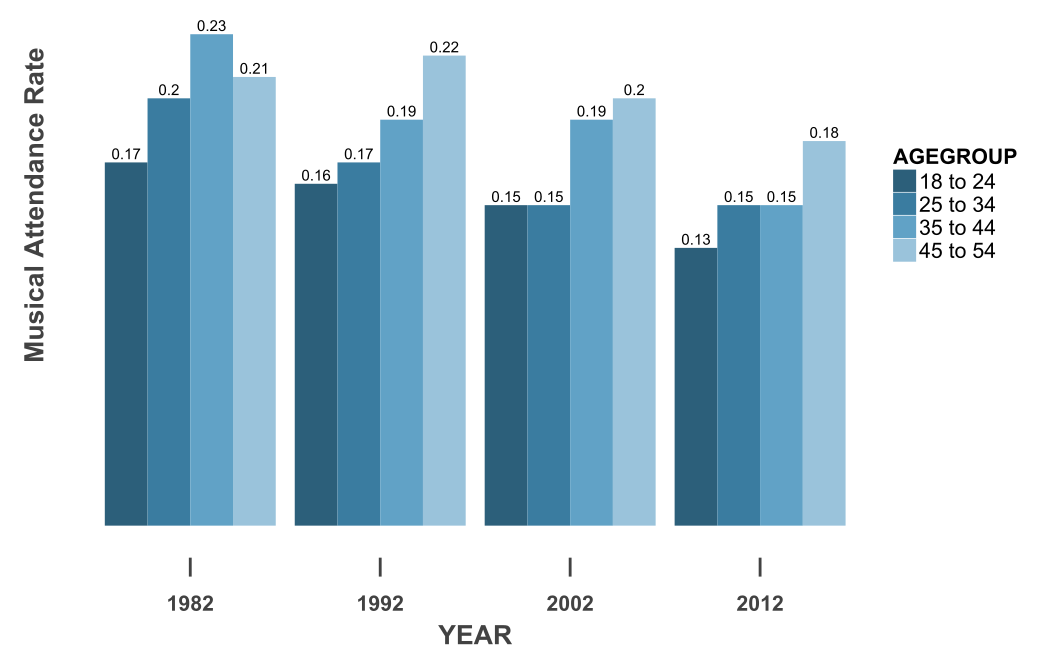
There has been a gradual decline in attendance for all age ranges from 1982 to 2012. The 35-44 age range has the largest decline over the 20 year span.
Source: Supplementary Materials Related to the NEA's 2012 Survey of Public Participation in the Arts
Musical Play Attendance by Gender from 1982 to 2012
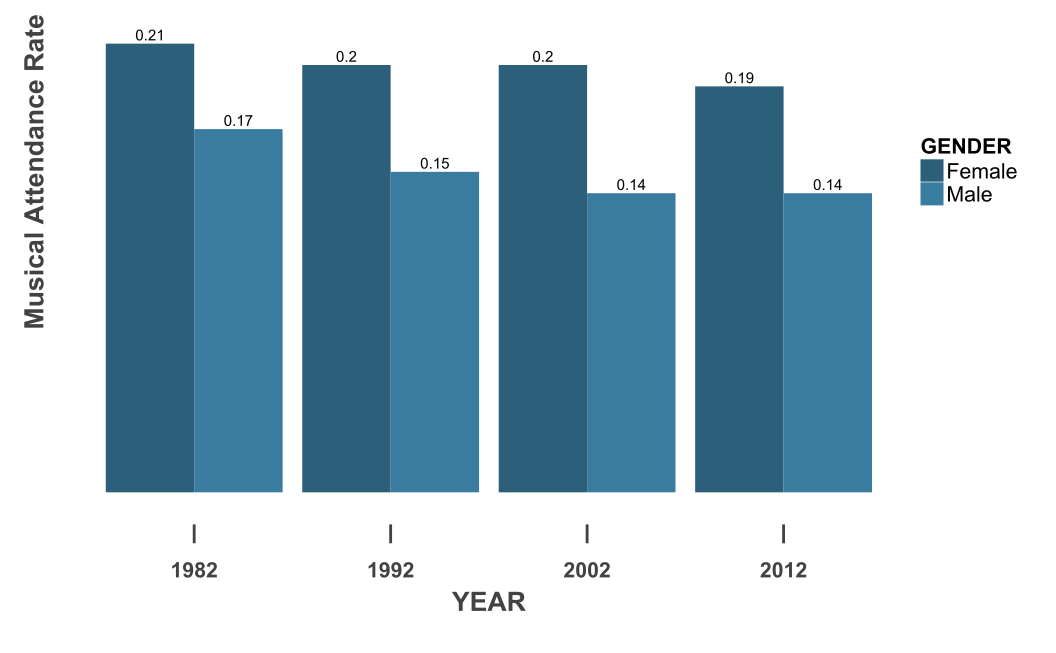
Female attendance is greater than male attendance by 0.04 to 0.06. Both female and male attendance is showing a declining trend over the 20 year span.
Source: Supplementary Materials Related to the NEA's 2012 Survey of Public Participation in the Arts
Musical Play Attendance by Marriage Status from 1982 to 2012
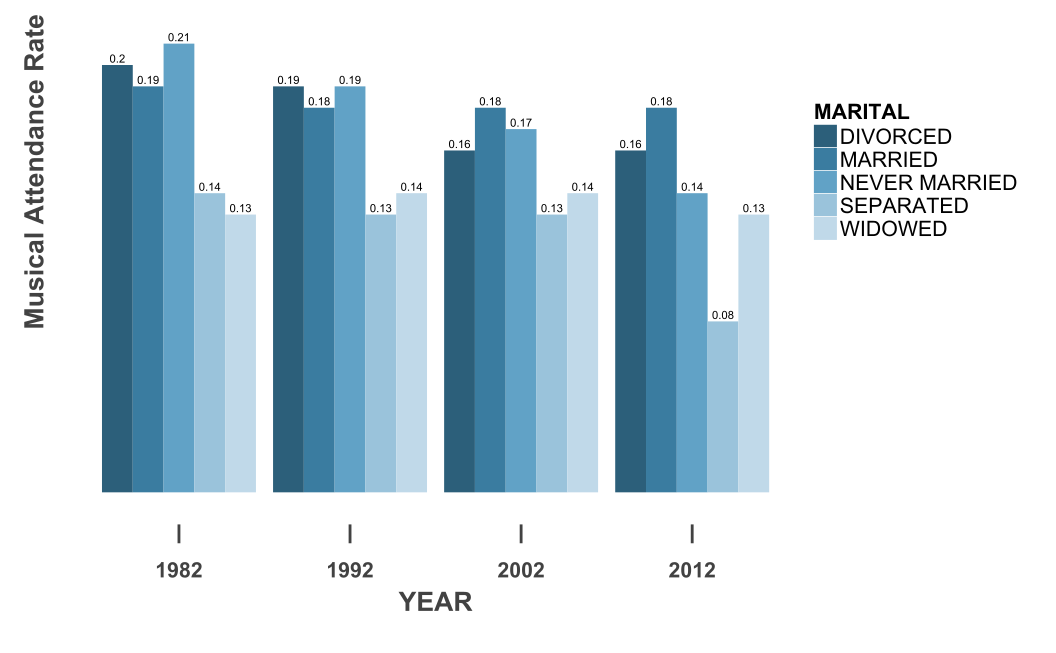
Divorced, married and never married had rate of attendance around .19 between 1982 to 1992. From 2002 to 2012, married remained at 0.18 while divorced was .016 and never married dropped from 0.17 to 0.14. Separated was steady at .13 from 1982 to 2002 but saw a sharp decline to 0.08 in 2012. Widowed remains steady across 1982 to 2012 at 0.12 to 0.14.
Source: Supplementary Materials Related to the NEA's 2012 Survey of Public Participation in the Arts
Careers in the Arts
Artists vs. Gen Pop
Top 20 States Average Wages
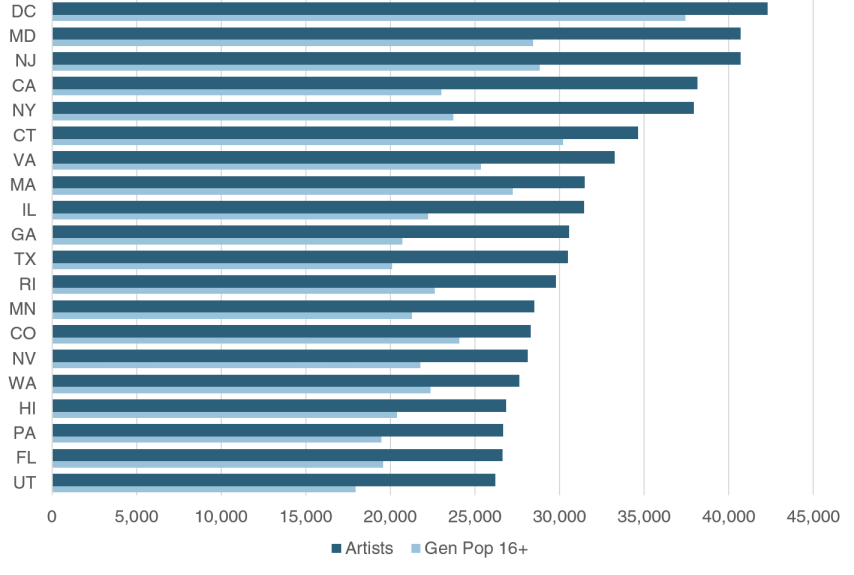
Top States for artists Income place them well ahead of the General Populace.
Source: American Consumer Survey (ACS) - Public Use Microdata Sample (PUMS) ACS PUMS - Artist Extract 2008-12
Artists vs. Gen Pop
Bottom 20 States Average Wages
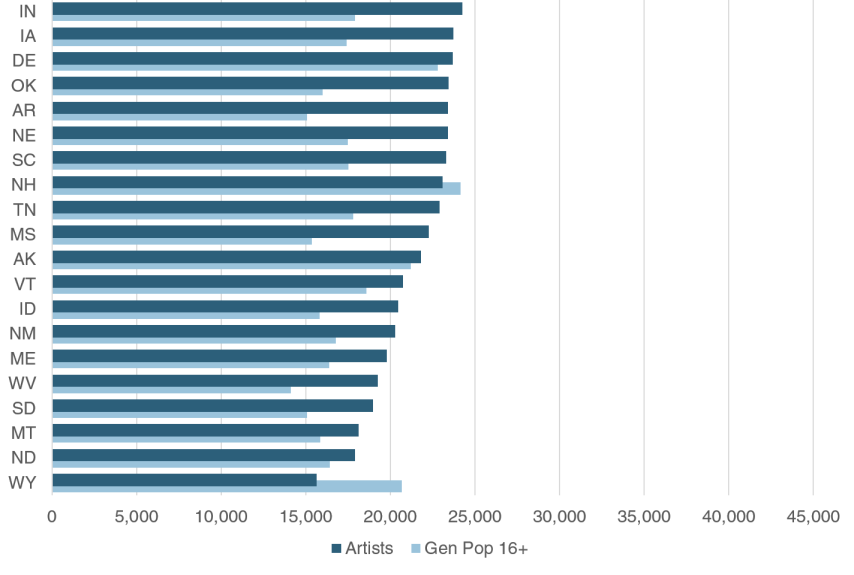
Even the States with the lowest Artist wages generally outperform the General Populace.
Source: American Consumer Survey (ACS) - Public Use Microdata Sample (PUMS) ACS PUMS - Artist Extract 2008-12
Top 20 States for Immigrants
Working in the Arts
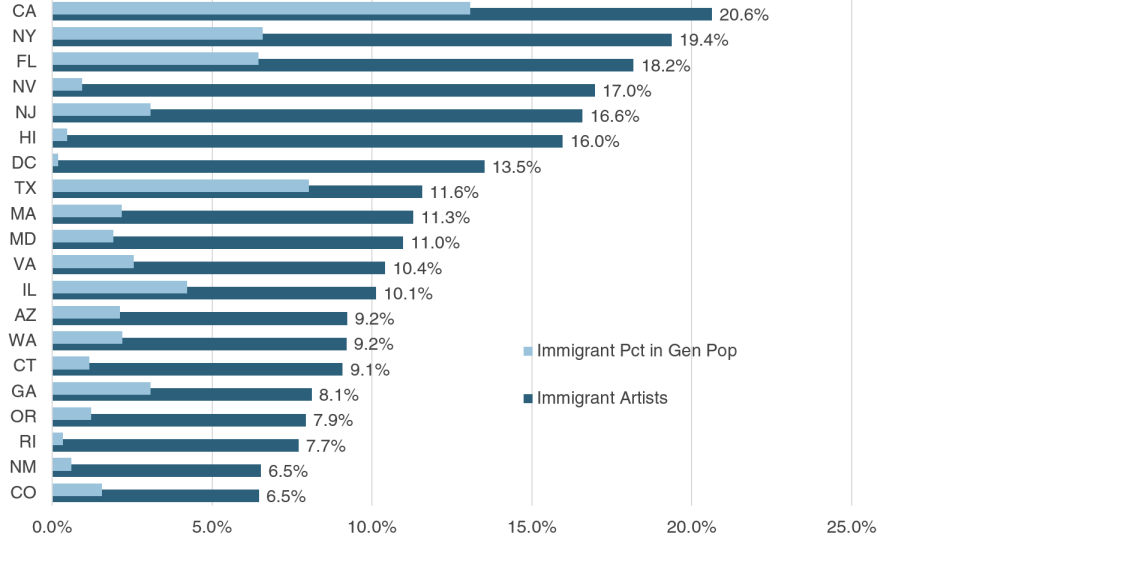
The Arts attract a dis- proportionate percentage of the workforce who are immigrants.
Source: American Consumer Survey (ACS) - Public Use Microdata Sample (PUMS) ACS PUMS - Artist Extract 2008-12
Top Ten Artist Occupations
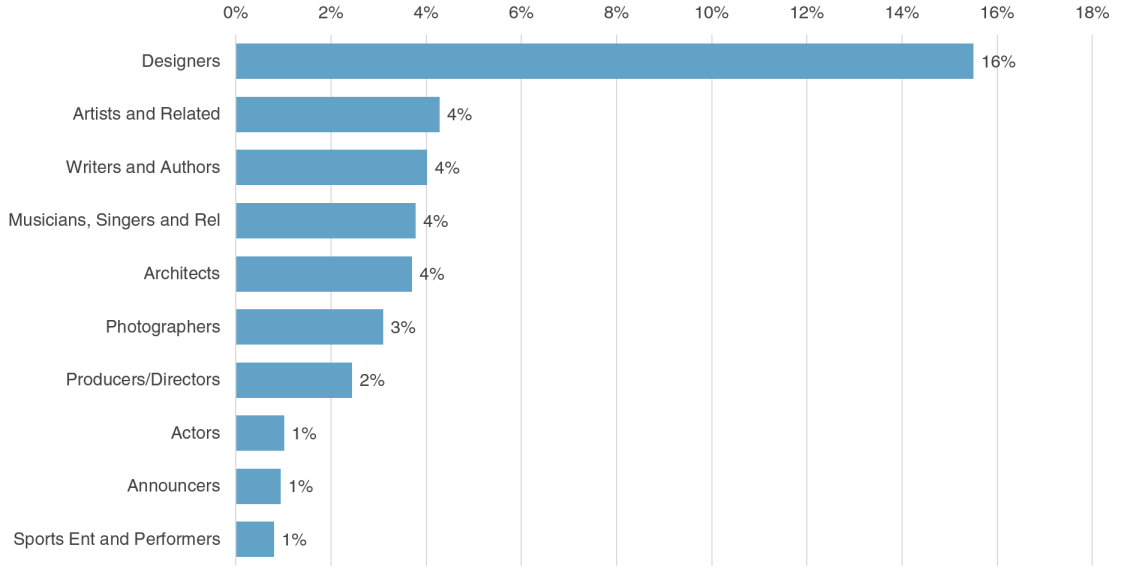
Many in the Arts are contributing designs to various organizations
Source: American Consumer Survey (ACS) - Public Use Microdata Sample (PUMS) ACS PUMS - Artist Extract 2008-12
Top Ten Industries Employing Artists
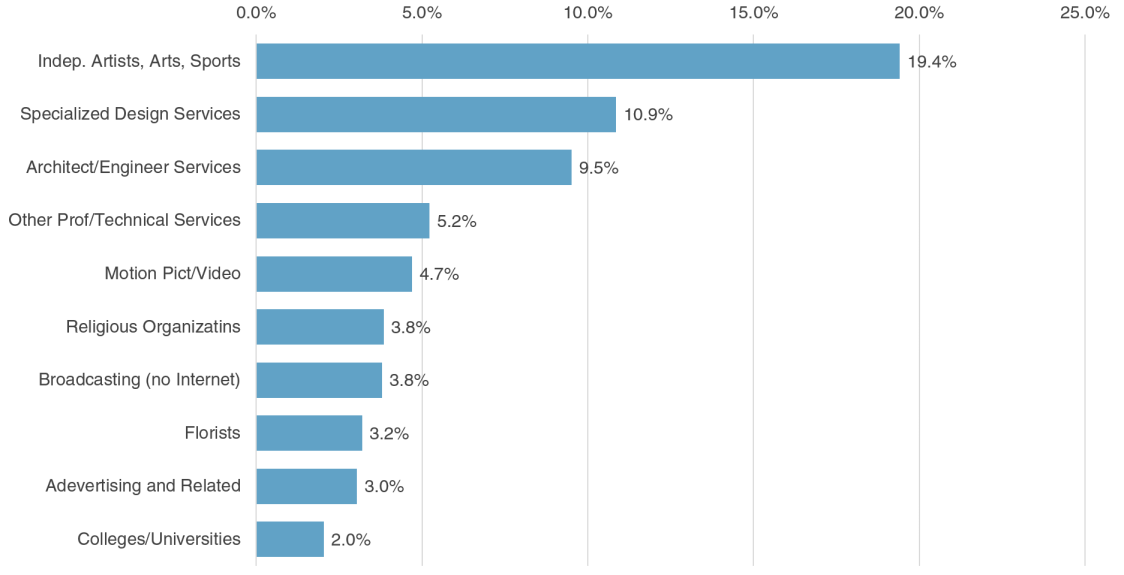
Many in the Arts remain independent from organizations. About the same proportion work in organizations where design is the main output.
Source: American Consumer Survey (ACS) - Public Use Microdata Sample (PUMS) ACS PUMS - Artist Extract 2008-12
Employment by Age
Arts vs General Populace
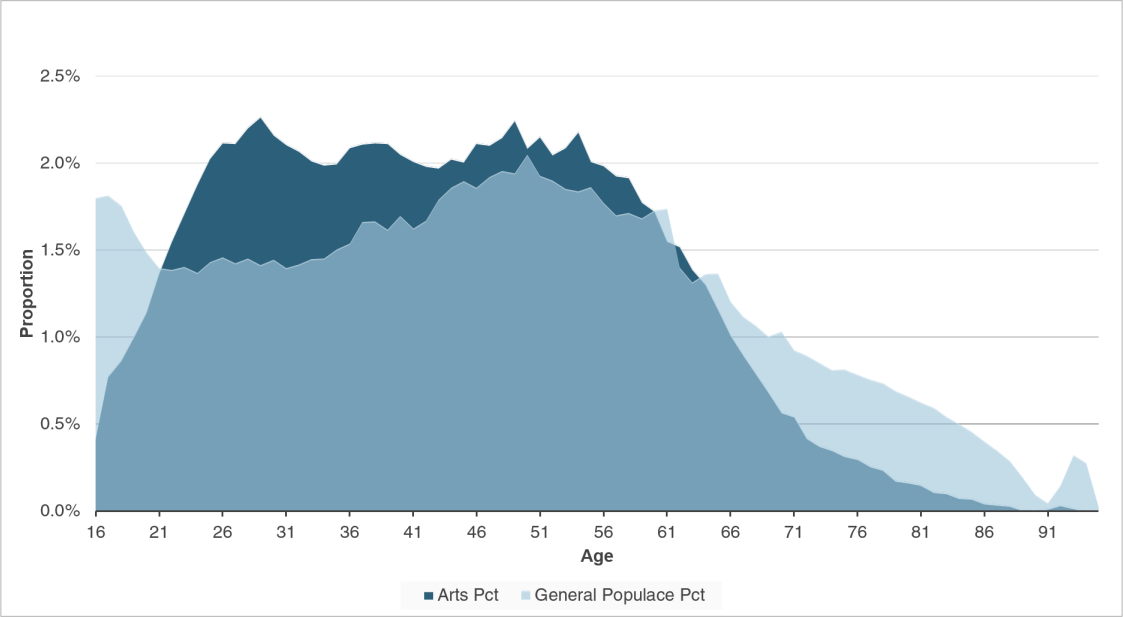
Employment in the Arts is more prevalent in younger people over the age of majority.
Source: American Consumer Survey (ACS) - Public Use Microdata Sample (PUMS) ACS PUMS - Artist Extract 2008-12
Motion Picture and Recording Industry Annual Hourly Earnings, 2007 to 2014
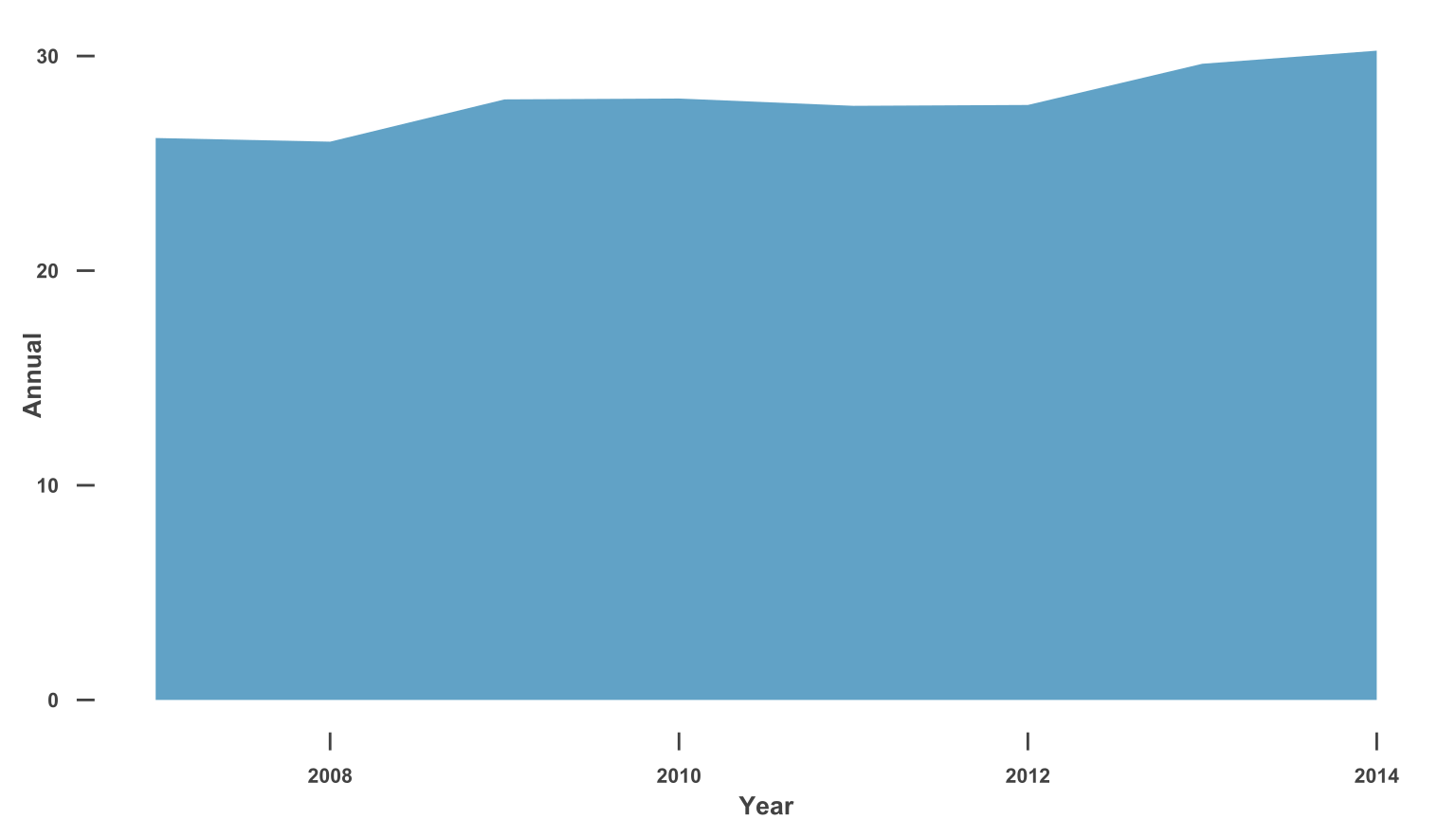
There is a lower trend in earlier years (e.g. 2007, 2008) with an increase over time. The last available annual data for 2014 shows the highest earnings in all recorded years, with an hourly earning of ~$30 USD. Positive results and suggests that industry is in a state of positive growth (vs. decline).
Source: US Department of Labor, Bureau of Labor Statistics: Employment, Hours, and Earnings from the Current Employment Statistics Survey (National); 2006-2015 Average Hourly Earnings for Employees within Motion Picture and Sound Recording Industry. Retrieved from http://data.bls.gov/pdq/SurveyOutputServlet
State Arts Appropriation
State Arts Spending Per Capita
2010
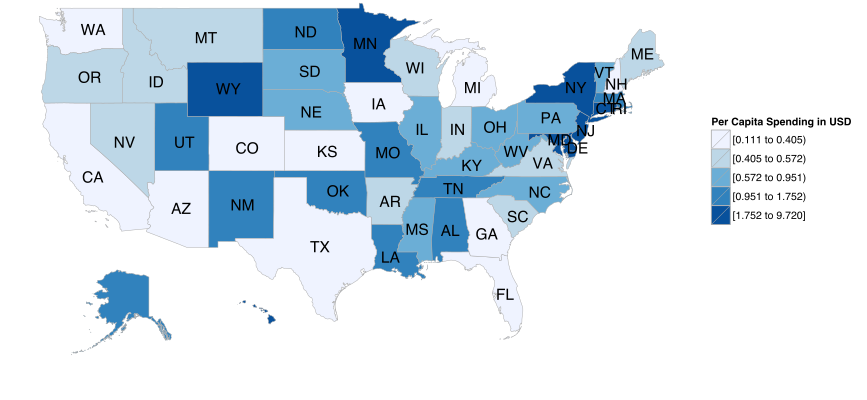
Arts funding in 2010 is hit hard, the worst is in California, Michigan and Florida.
Source: National Assembly of State Arts Agencies, Annual Appropriations and Revenue Survey Data
State Arts Spending Per Capita
2011
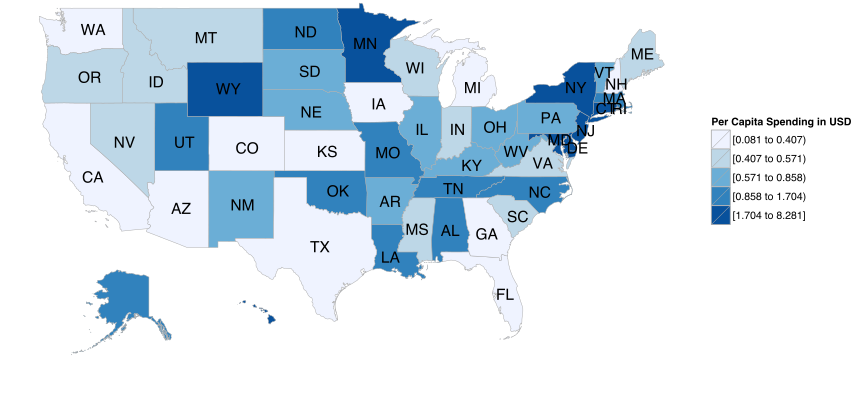
Arts funding continues to slip in most states in 2011; however 10 states still appropriated more than $1 per person for the arts.
Source: National Assembly of State Arts Agencies, Annual Appropriations and Revenue Survey Data
State Arts Spending Per Capita
2012
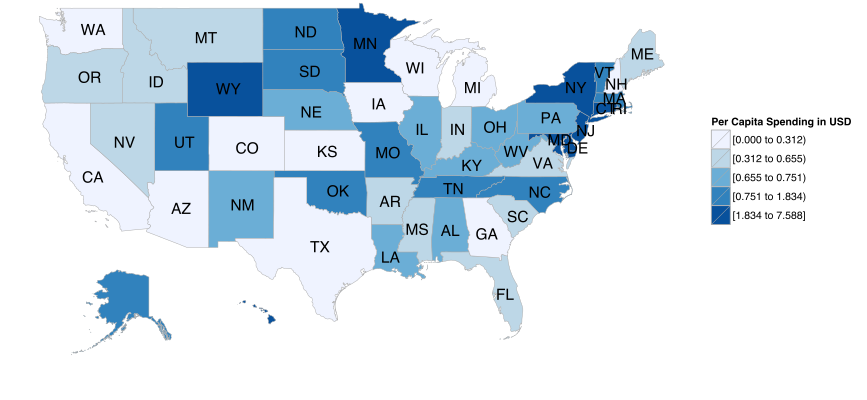
The downward trend continues in 2012 in most states but Florida begins to rebound.
Source: National Assembly of State Arts Agencies, Annual Appropriations and Revenue Survey Data
State Arts Spending Per Capita
2013
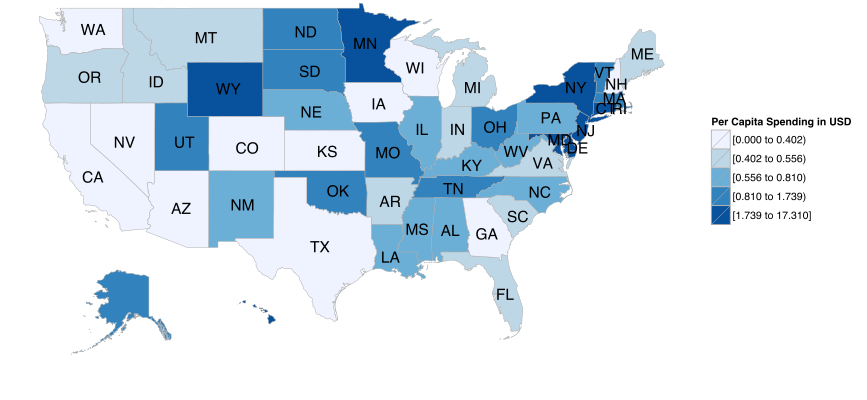
States with the largest amount of per capita arts appropriations grow while overall downward trend continues in 2013.
Source: National Assembly of State Arts Agencies, Annual Appropriations and Revenue Survey Data
State Arts Spending Per Capita
2014
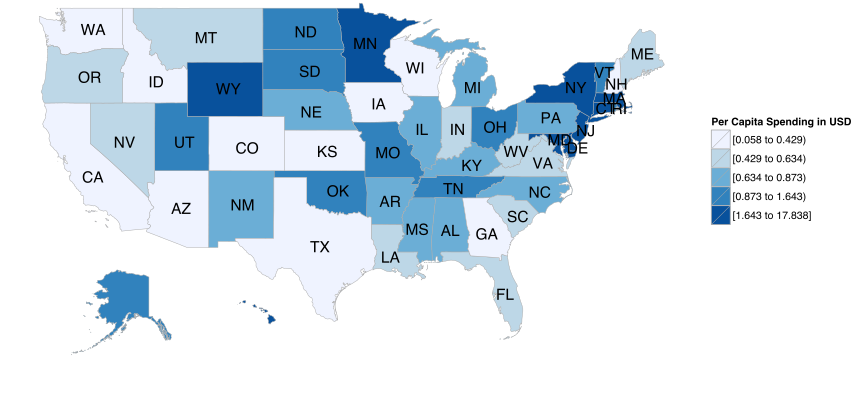
States with the smallest amount of per capita arts appropriation while spending goes down in most other states.
Source: National Assembly of State Arts Agencies, Annual Appropriations and Revenue Survey Data
Best States for the Arts
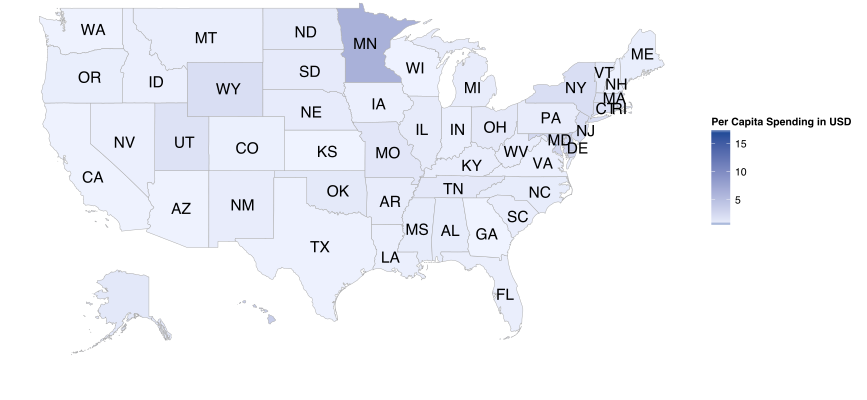
Washington D.C. appropriates the most overall, followed by Minnesota and other east coast states.
Source: National Assembly of State Arts Agencies, Annual Appropriations and Revenue Survey Data
Per Capita State Legislative Arts
Appropriation from 1970 to 2014
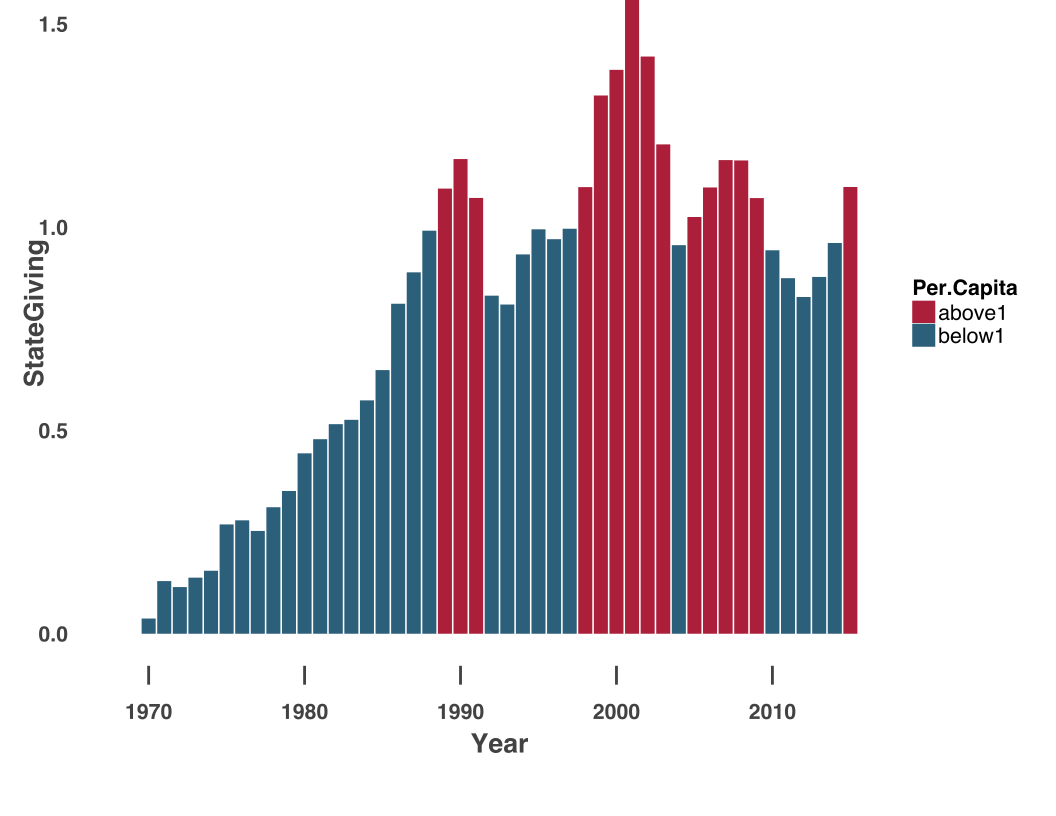
As the population grows, we would expect arts funding to grow as well. Coincidentally, there appears to be a linear relationship from 1970 to 1991 or even 2001. However there is a sharp decline in state arts appropriations that begins in 2002 and bottoms out in 2012 leaving arts appropriations at the level we might expect in the 1990s.
Source: National Assembly of State Arts Agencies, Annual Appropriations and Revenue Survey Data
Please encourage your community to continue its support for the Arts.
Sources
Click down arrow to see more
- American Time Use Survey, 2003‐2014 [United States]: Arts Activities. Retrieved from http://www.icpsr.umich.edu/icpsrweb/NADAC/studies/36268
- National Assembly of State Arts Agencies. Annual Appropriations and Revenue Survey.
- Supplementary Materials Related to the NEA's 2012 Survey of Public Participation in the Arts. Retrieved from https://www.arts.gov/publications/additional-materials-related-to-2012-sppa
- US Department of Labor, Bureau of Labor Statistics: Employment, Hours, and Earnings from the Current Employment Statistics Survey (National); 2006-2015 Average Hourly Earnings for Employees within Motion Picture and Sound Recording Industry. Retrieved from http://data.bls.gov/pdq/SurveyOutputServlet
- United States Department of Education. (2009). Institute of Education Sciences. National Center for Education Statistics. Fast Response Survey System (FRSS): Elementary School Arts Education Survey, Fall 2009 (ICPSR36067‐v1). [Data file and documentation]. Ann Arbor, MI: Inter‐university Consortium for Political and Social Research [distributor], 2015‐03‐19. Retreived from http://doi.org/10.3886/ICPSR36067.v1
- United States Department of Education. (2009). Institute of Education Sciences. National Center for Education Statistics. Fast Response Survey System (FRSS): Arts Education Surveys of Elementary School Teachers, 2009‐2010 (ICPSR36069‐v1). Ann Arbor, MI: Inter‐university Consortium for Political and Social Research [distributor], 2015‐03‐23. Retreived from http://doi.org/10.3886/ICPSR36069.v1